
Odors and visible surface changes
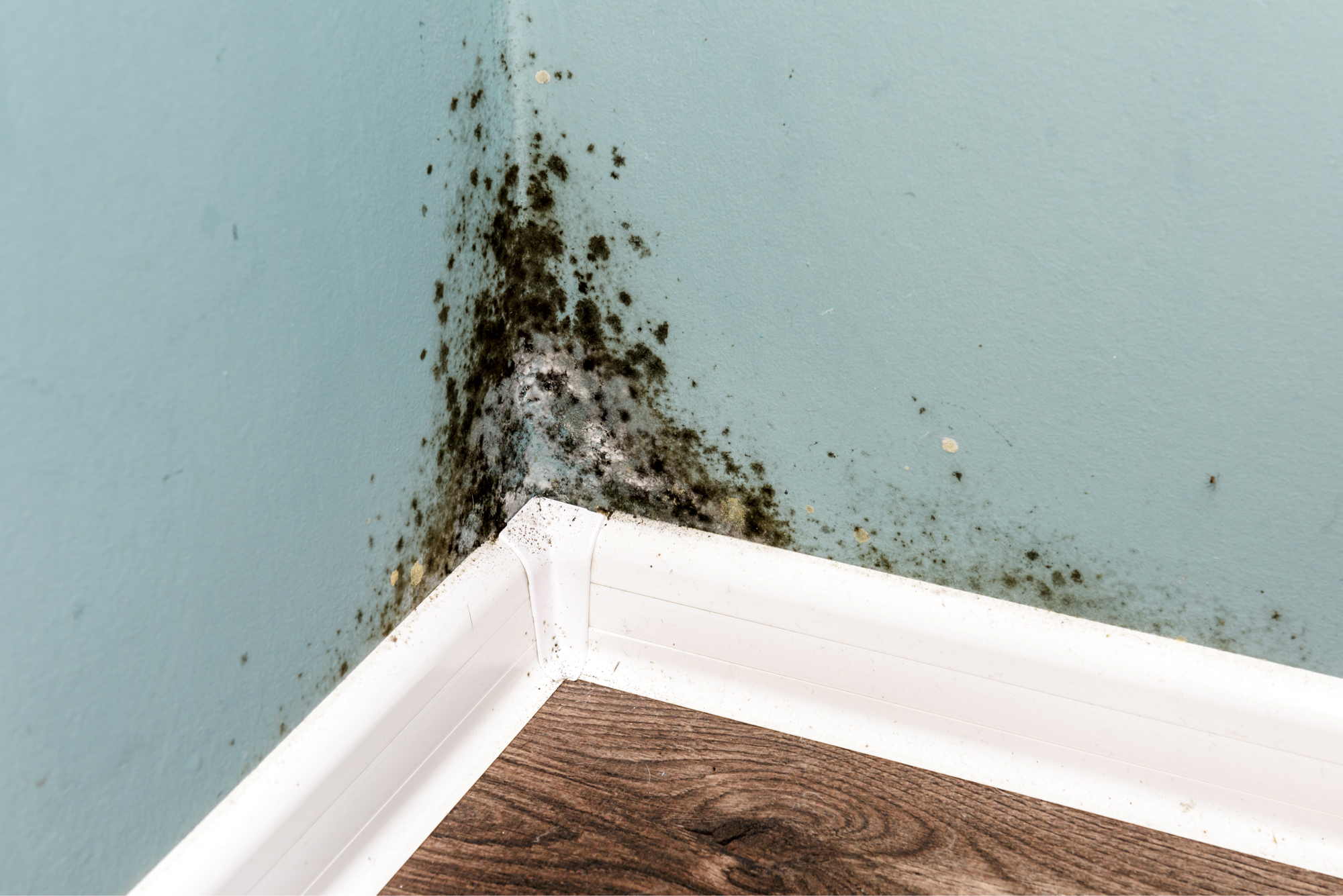
Possible mold growth is not always obvious. It may appear as a small patch, an unusual texture or a change in a surface that stays damp. Color alone cannot identify the type of growth or establish its risk.
A musty or earthy odor does not prove mold is present. If the smell persists and you cannot find its source, it can justify checking for moisture or hidden growth. Watch for these observable changes:
- Persistent musty or earthy odors with no clear source
- Small areas of discoloration or unusual surface texture
- Brown or yellow water stains on walls, ceilings or floors
- Peeling paint or bubbling finishes in damp areas
- Cracked grout, missing caulking or soft drywall near water fixtures
Moisture, condensation and previous water damage
Recurring condensation, damp walls and persistently high indoor humidity can point to a moisture problem. Check areas around windows, skylights, bathrooms, laundry rooms, basements and crawl spaces. These conditions do not confirm mold, but they can create places where growth may occur.
Previous roof leaks, burst pipes, flooded basements, plumbing problems, ice dams and spring runoff can leave hidden moisture damage worth evaluating. Snowmelt and saturated ground may also contribute to water intrusion. Look for changes near the original leak and in nearby walls, ceilings or floors, even when the visible surface appears dry.
Hidden areas, flooring and ventilation systems
Moisture and possible growth can remain out of sight. Check inside cabinets, beneath sinks, around appliances, behind furniture and along exterior-wall baseboards. Attic areas, insulation near recessed lights and spaces beneath stairways may also show changes after moisture reaches them.
Warped, buckling, discolored or soft flooring can indicate water beneath the finished surface, particularly near dishwashers, refrigerators, laundry machines or basement equipment. Around air vents and intake grilles, unusual residue, moisture or odor may justify an inspection. Dark dust by itself does not prove that mold is present in the ventilation system.
What to do when signs appear
Avoid poking, scraping or disturbing suspected growth. Photograph the affected area and note where odors, dampness or surface changes occur. Address an active leak or moisture source if it is safe to do so, but do not assume that drying the visible surface resolves hidden damage.
Request a property evaluation when signs persist, return or appear in concealed areas. When choosing a professional, ask about relevant mold inspection or remediation training and verify any certification they claim. Affordable Restoration can discuss the building conditions you have observed and evaluate the affected area. Health concerns should be discussed with a qualified medical professional because symptoms cannot establish what is happening inside the property.