
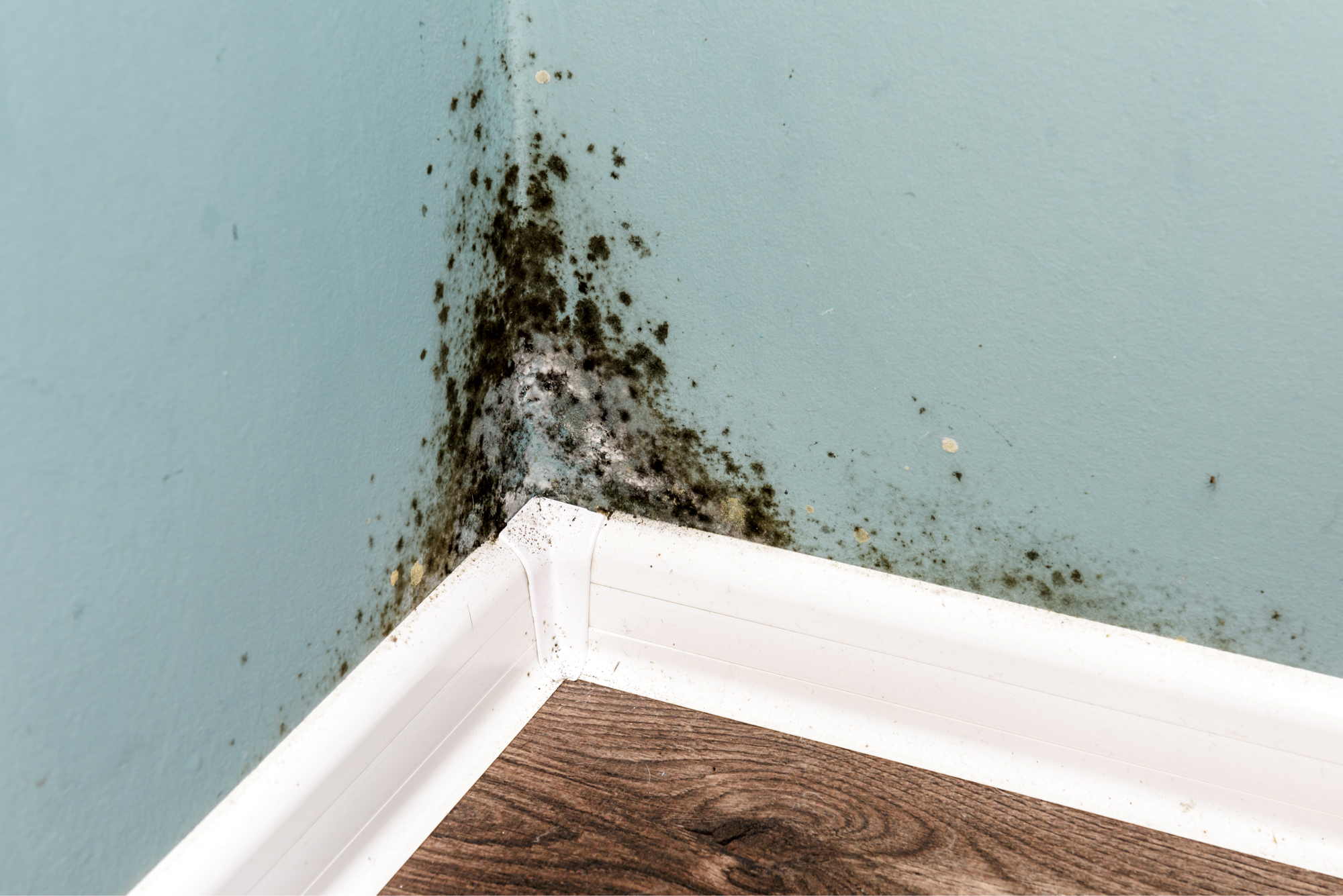
What are common signs of mold in a home?
Mold is not always immediately visible. Persistent musty odors, discoloration, peeling finishes, warped flooring, recurring condensation, or moisture near walls and cabinets can justify a closer inspection.
- Musty or earthy odors in enclosed spaces
- Discoloration on walls, ceilings, or flooring
- Peeling paint or wallpaper near damp areas
- Warped or soft flooring
- Condensation on windows or walls
What does mold smell like?
Mold is often described as musty, stale, or earthy, similar to damp wood or a wet basement. Odor alone does not prove mold is present, but a smell that persists after cleaning can justify checking behind walls, beneath flooring, or near HVAC components for moisture and hidden growth.
What health symptoms can mold exposure cause?
Some people exposed to indoor mold report coughing, congestion, irritated eyes or throat, headaches, skin irritation, or worsened asthma symptoms. Symptoms cannot diagnose a mold problem, and anyone with health concerns should speak with a qualified medical professional.
Why is mold growing in my home?
Mold growth needs moisture, suitable temperatures, and material it can use as a food source. Common contributors include plumbing or roof leaks, past water intrusion, poor ventilation, high humidity, condensation, and damp basements or crawl spaces. North Idaho snowmelt and freezing-weather condensation can add seasonal moisture pressure.
Can mold grow where I cannot see it?
Yes. Hidden leaks can support growth behind drywall or wallpaper, beneath carpet or floorboards, around cabinets and tile, inside insulation, and in attics or crawl spaces. Moisture meters and infrared imaging can help identify damp areas that are not visible at the surface.
Is black mold more dangerous than other mold?
Color alone does not establish a mold’s type or health risk. The amount of growth, how long it has been present, the materials affected, and who is exposed all matter. Any significant indoor mold growth should be addressed with its moisture source.
How quickly can mold spread?
Under suitable conditions, mold can begin growing within 24 to 48 hours. If the moisture source continues, growth can spread into walls, ceilings, flooring, insulation, and ventilation spaces. Early drying and moisture control help limit the affected area.
Can I clean mold with bleach or vinegar?
Surface cleaning may help on a small nonporous area, but it may not address growth inside porous drywall, wood, carpet, or insulation. Scrubbing without containment can disturb spores, and damaged porous materials may need removal rather than cleaning.
Why hire a professional mold remediation company?
Professional remediation can identify the moisture source and the extent of affected materials, isolate the work area, use HEPA filtration, remove unsalvageable materials, dry the structure, and document completion. Ask providers about their testing, removal, repair, certification, and insurance practices.
Will homeowners insurance cover mold removal?
Coverage varies by policy and by the cause of the moisture. Some policies may cover mold connected to a sudden accidental loss, while excluding long-term leaks, seepage, or maintenance issues. Review the policy promptly and ask the insurer what documentation it requires.
What happens if mold is ignored?
Continued moisture and mold growth can damage drywall, flooring, insulation, wood framing, and other building materials. The affected area and the cost of restoration can increase while the source remains unresolved.
How can I help prevent mold from returning?
Repair leaks, improve ventilation, dry damp areas promptly, control indoor humidity, maintain gutters and grading, and address foundation or crawl-space moisture. The right measures depend on the moisture source identified during the inspection.
How do I schedule a mold inspection in the Coeur d'Alene area?
Contact Affordable Restoration and describe the odor, discoloration, leak, or water event you have noticed. The team can discuss the affected area and arrange an inspection in Coeur d’Alene, Post Falls, Hayden, Rathdrum, and surrounding communities.