What to do after a fire
Protect yourself and avoid disturbing damaged areas while you arrange an assessment.
- 1
Wait for fire officials to say the property is safe to enter. Do not go back inside to retrieve belongings.
- 2
If it is safe to do so, keep people and pets away from structural damage, exposed wiring, heavy soot, and firefighting water.
- 3
Avoid touching soot-covered surfaces or attempting cleanup before the damage is assessed. Leave smoke, soot, and odor removal to the restoration process.
- 4
Photograph visible damage from a safe location and note areas affected by fire, smoke, soot, and water used to extinguish the flames.
Fire, smoke, and soot damage
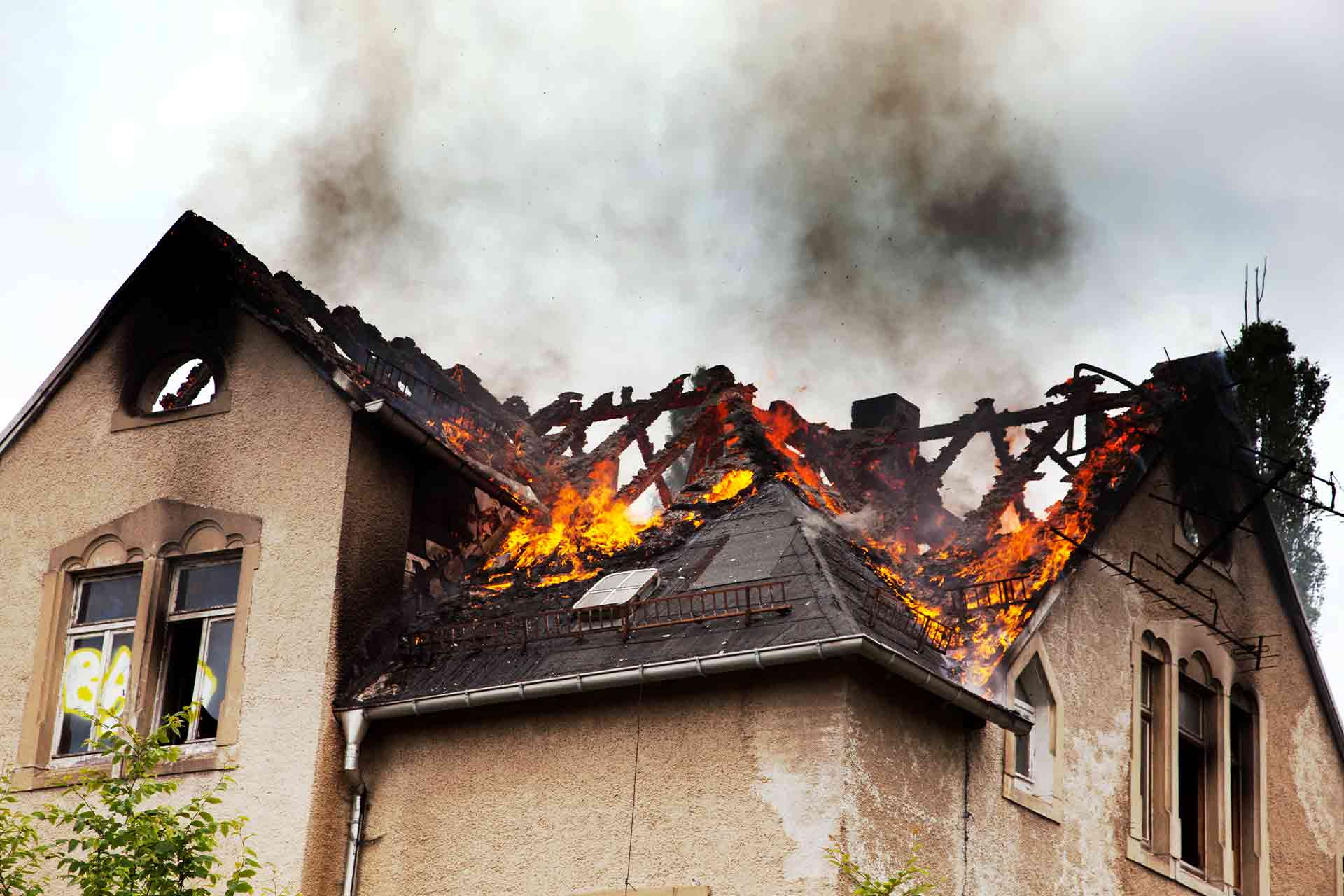
A fire can leave several kinds of damage in the same property. Flames may affect building materials and contents. Smoke and soot can spread into other rooms, and water used to extinguish the fire can add another layer of damage. The type of smoke and residue affects how fire cleanup should proceed.
Our fire damage restoration in Coeur d’Alene, ID starts with an assessment of the areas affected by fire, smoke, soot, odor, and firefighting water. We test for toxic gases and materials that may result from burned construction materials and household contents. The findings guide a restoration plan for the property.
Cleanup may include soda blasting to remove soot and residue, smoke odor removal, and cleaning items such as electronics, machinery, books, documents, and artwork. We can also board up openings to secure the property. When fire damage affects the structure, the work may include partial or complete reconstruction.
How fire restoration works
The work is based on what burned, the type of smoke and residue present, and the extent of damage throughout the property.
- 1
Assess the damage
We inspect the effects of fire, smoke, soot, and water used to extinguish the flames. The findings shape a restoration plan for the property.
- 2
Test for hazards
We test for toxic gases and materials left by the combustion of building materials, furnishings, and other household items before restoration work begins.
- 3
Secure the property
When openings leave the building exposed, emergency board-up helps protect it from weather and unauthorized entry during the restoration process.
- 4
Remove smoke and soot
We select the cleaning method for the smoke and residue present. Soda blasting may be used to remove soot and other residue from affected surfaces.
- 5
Neutralize smoke odors
We use deodorization processes to neutralize smoke odors rather than cover them with another scent.
- 6
Clean contents and rebuild
We clean and salvage affected belongings where possible, including electronics, books, documents, and artwork. Structural damage may require partial or complete reconstruction.