Why prompt removal matters
Mold can grow on wood, drywall, insulation, flooring and other damp materials. Spores can also move beyond the visible area, especially when growth is disturbed. Addressing the problem promptly helps limit further spread and identifies which materials may need cleaning, removal or repair.
Moisture is the underlying concern. Roof or plumbing leaks, snowmelt, poor ventilation and damp crawl spaces may create conditions where mold can grow. Prolonged moisture can deteriorate affected materials and increase the amount of restoration work required. Mold exposure can also affect some people. Discuss symptoms or other health concerns with a qualified medical professional.
What to do when you suspect mold
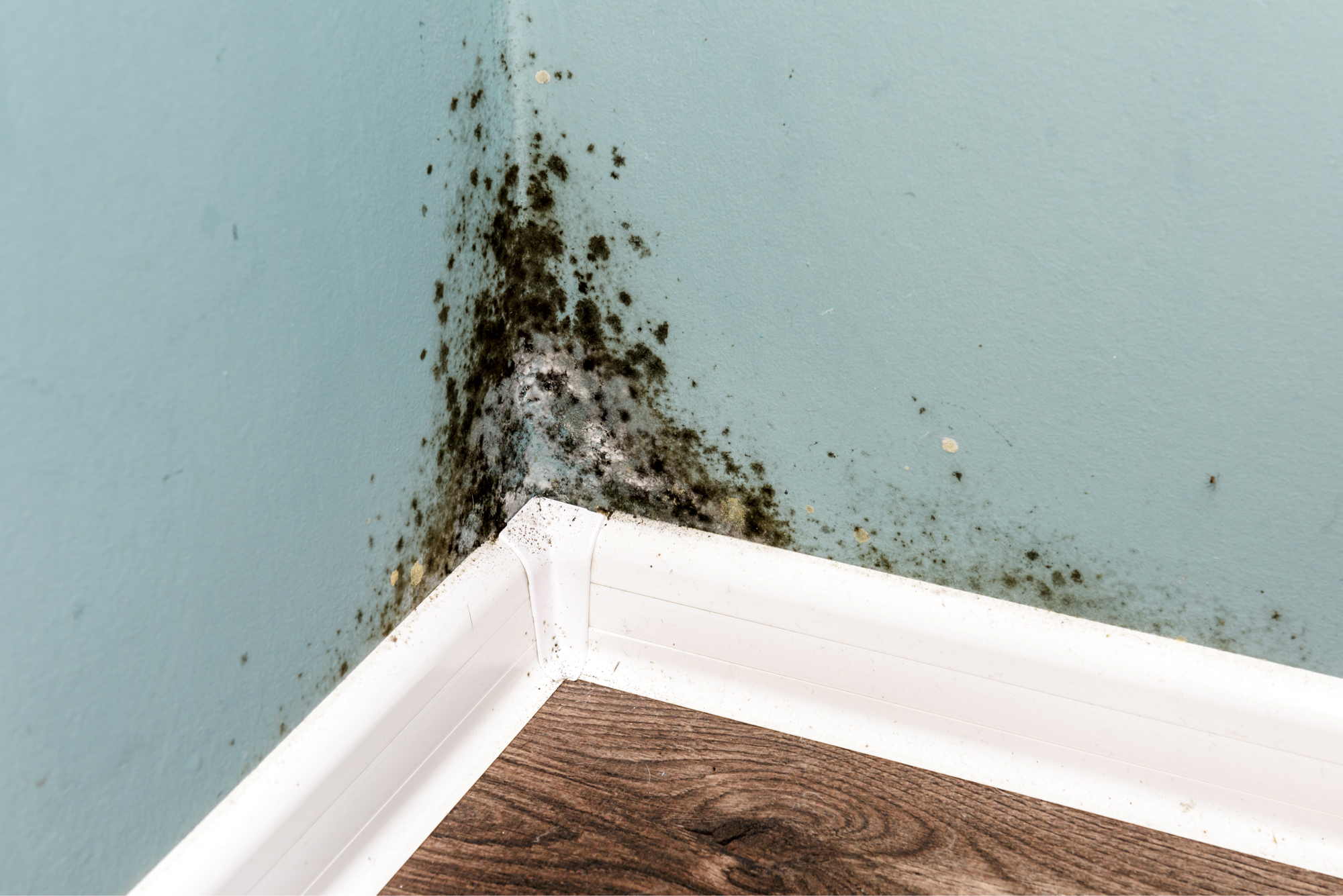
Visible growth, a musty smell or water staining can justify a closer evaluation. Avoid disturbing the area or relying on surface cleaning before the moisture source and extent of the problem are understood. Scrubbing may release spores and spread material beyond the affected area.
Take these practical steps while arranging an evaluation:
- Avoid touching, brushing or scrubbing suspected mold.
- Correct an active roof or plumbing leak when it is safe to do so.
- Limit activity around the affected area to reduce disturbance.
- Request an evaluation of the mold and its moisture source.
- Ask how the affected area will be contained during removal.
- Discuss exposure concerns with a qualified medical professional.
What professional removal may involve
The work needed depends on the moisture source, the affected materials and the extent of the growth. A professional evaluation may use infrared moisture scanning to help locate damp areas that are not obvious from the surface. A remediation plan may also call for containment, HEPA air scrubbers or dehumidifiers. Not every project requires every method or piece of equipment.
A contractor may remove mold and repair or replace affected materials when cleaning alone is not appropriate. When comparing companies, ask whether the team is IICRC-certified and whether it has relevant experience with crawl spaces, basements or encapsulation. Also ask how the company plans to contain the work and correct the moisture conditions connected to the growth.
Control the moisture behind the problem
Removing visible mold does not replace the need to correct the moisture source. Depending on the property, that may mean repairing a leaking roof or pipe, improving ventilation in a bathroom, kitchen or attic, using a dehumidifier during damp periods, or addressing water in a basement or crawl space.
North Idaho properties may encounter moisture from snowmelt, roof leaks, plumbing problems, poor ventilation or damp crawl spaces. Seasonal and second homes can also have leaks or moisture problems that remain unnoticed while the property is empty. After remediation, keep watching repaired areas for new staining, dampness or musty odors and request another evaluation if those signs return.